

Resources

Learn how to determine eligibility for California Regional Center services and access support resources for individuals with developmental disabilities.

Determine which California Regional Center serves your area by searching your home address and exploring local service coverage for your family’s needs.

Learn how to file a complaint, submit an appeal, or report concerns related to Regional Center services, consumer rights, or support issues through the California Department of Developmental Services.

Browse approved service providers, learn about available support options, and review DDS programs and resources designed to support individuals with developmental disabilities and their families.

Explore how the Self-Determination Program gives eligible Regional Center participants greater flexibility, choice, and control over the services and supports they receive.
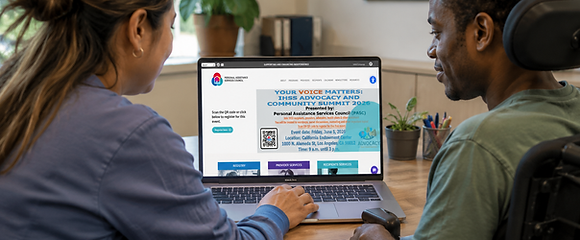
Learn how the Personal Assistance Services Council (PASC) can help connect IHSS recipients with home care providers, support services, training resources, and community advocacy programs.

Discover how CalABLE accounts can help eligible individuals with disabilities save for the future, manage expenses, and maintain access to important public benefits while building financial independence.


.webp)

Overseeing statewide programs and Regional Centers to support individuals with developmental disabilities.

Guiding families through services, advocacy, and support for individuals with developmental disabilities.